
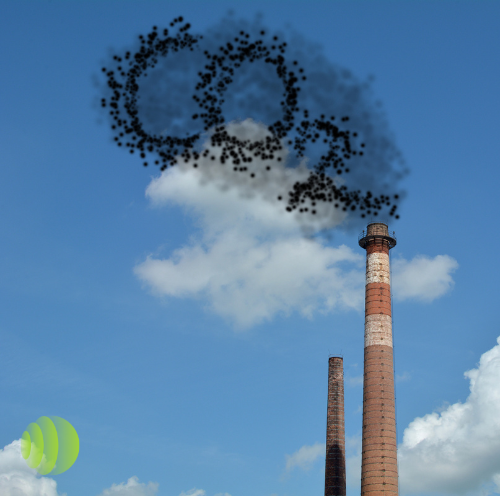
The Carbon Border Adjustment Mechanism (CBAM):
Why it matters, no matter who you are.
In January 2026, the EU’s CBAM directive became active. At first it applies to a limited category of high emissions goods. By 2034, all companies in the EU will be in scope. However, even if your company is not in scope, your business will be affected. It will be an environmental – and commercial – game changer.
What is The Carbon Border Adjustment Mechanism (CBAM) directive?
CBAM’s purpose is to prevent “carbon leakage”. This happens when manufacturers shift production from the EU to countries without carbon taxation. When such goods are sold “back” into the EU market, they can have a cost advantage over goods produced in the EU. CBAM works by ensuring that all goods sold into the EU, pay equivalent carbon taxes to EU companies. Carbon taxes can be paid in the non EU country – or by the EU Importer of goods buying Carbon Certificates at the point of entry. The cost of those certificates depends on the embedded carbon in the product
For the first time therefore, the product’s carbon footprint (PCF) goes from being an optional disclosure item – to a matter of market competitiveness. That creates an incentive for companies to decarbonise their products. Knowing your embedded carbon level – and that of your competitors – then becomes a strategic advantage.
For that reason, Carbon Action developed the first and only accredited training course based on ISO 14067. The course is accredited by DINCERTCO. DINCERTCO also offers an option for professionals to become a Certified PCF Practitioner.
While much of the carbon reporting around the world is done voluntarily, EU Directives like CBAM, CSRD, Greenwashing Directive and others – are all creating a global direction of travel. The initiatives may start in the EU, but global trading relationships will make it a global requirement. This will:
- Accelerate the shift from voluntary reporting – to evidence-based reporting with commercial incentive.
- Make Sustainability Professionals equally focused on both the planet – and their own company survival.
- Require companies to develop product carbon footprint expertise.
- Comple companies to embed PCF into product design, manufacturing and supply chain planning,
- Take years to do.
The smart companies are building those skills now.
Aligning the environmental imperative, with commercial growth and survival – is the only way to make Sustainability itself, sustainable.
Need help tackling in taking action against your carbon footprint? Contact Occupli via email info@occupli.com or by phone 0818315415