
4 Characteristics of a Confined Space
Confined Spaces are areas that are enclosed or partially enclosed and pose potential risks such as fire, explosion, asphyxiation, drowning, or loss of consciousness. At Occupli, we believe in putting safety to work, allowing for safety to be the cultural embodiment of an organizational ethos that puts people first. In this article, we’ll be taking you through some of the key characteristics of a confined space, making it easier for you to recognize and assess the associated risks in your workplace.
- Limited Entry – Confined spaces have restricted openings for entry and exit. These points may be small, narrow, or difficult to access, which can make entry and rescue operations challenging.
- Not designed for continuous occupancy – Typically not intended for prolonged human occupancy. These spaces may be designed for specific purposes such as storage tanks, utility vaults, or access points to underground tunnels.
- Completely or partially enclosed – Confined spaces are enclosed or partially enclosed, which can restrict natural ventilation. They may have walls, floors, or ceilings that surround workers and limit their movement.
- Risk of hazard – Confined space are or may become hazardous to anyone entering them because of their design, construction, location, materials or substances in them, work performed in them or other conditions.
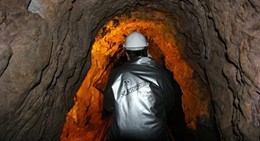
Some examples of common confined spaces include wells, open ditches, tunnels, tanks, and pipes.
There are some basic steps you can take to protect yourself and/or your workers when working with confined spaces. At Occupli, our Confined Space course is taught by active fire brigade trainers. The course is aimed at Confined Space Entrants, Observers and permit Supervisors.
The course outlines current applicable legislation, permit to work systems, safe systems of work and procedures for entry and rescue.